Counselling and Psychology Aren’t the Same Tree: How to Know Which One You Need
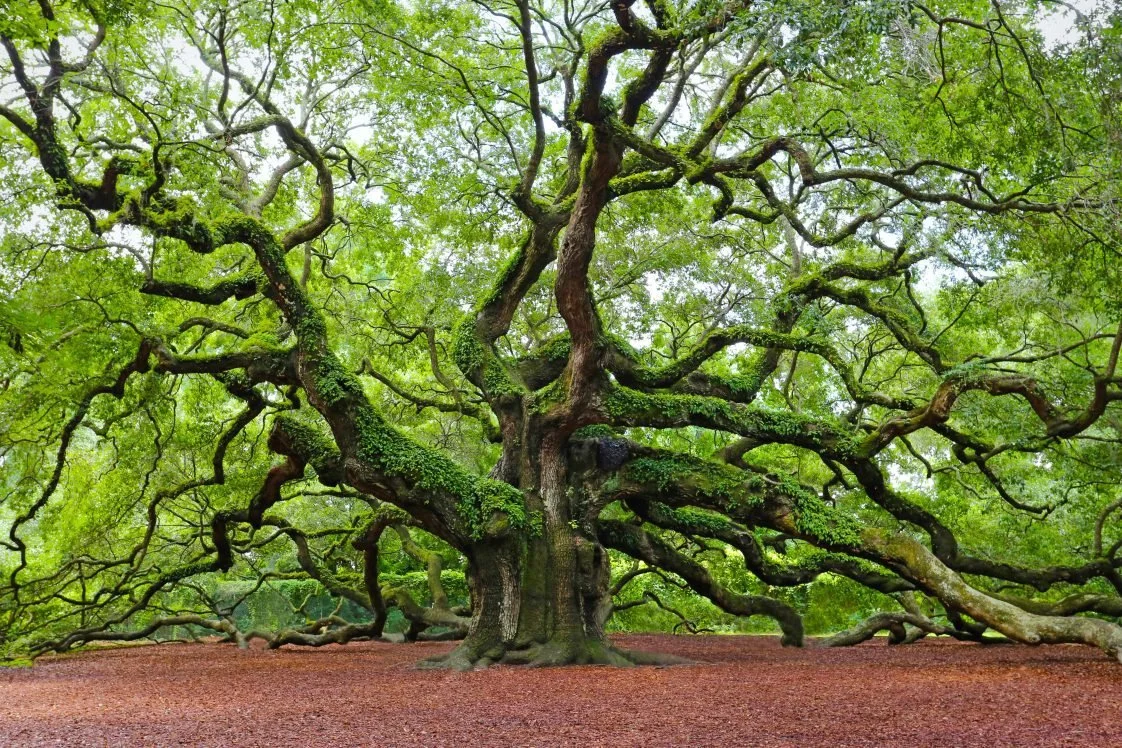
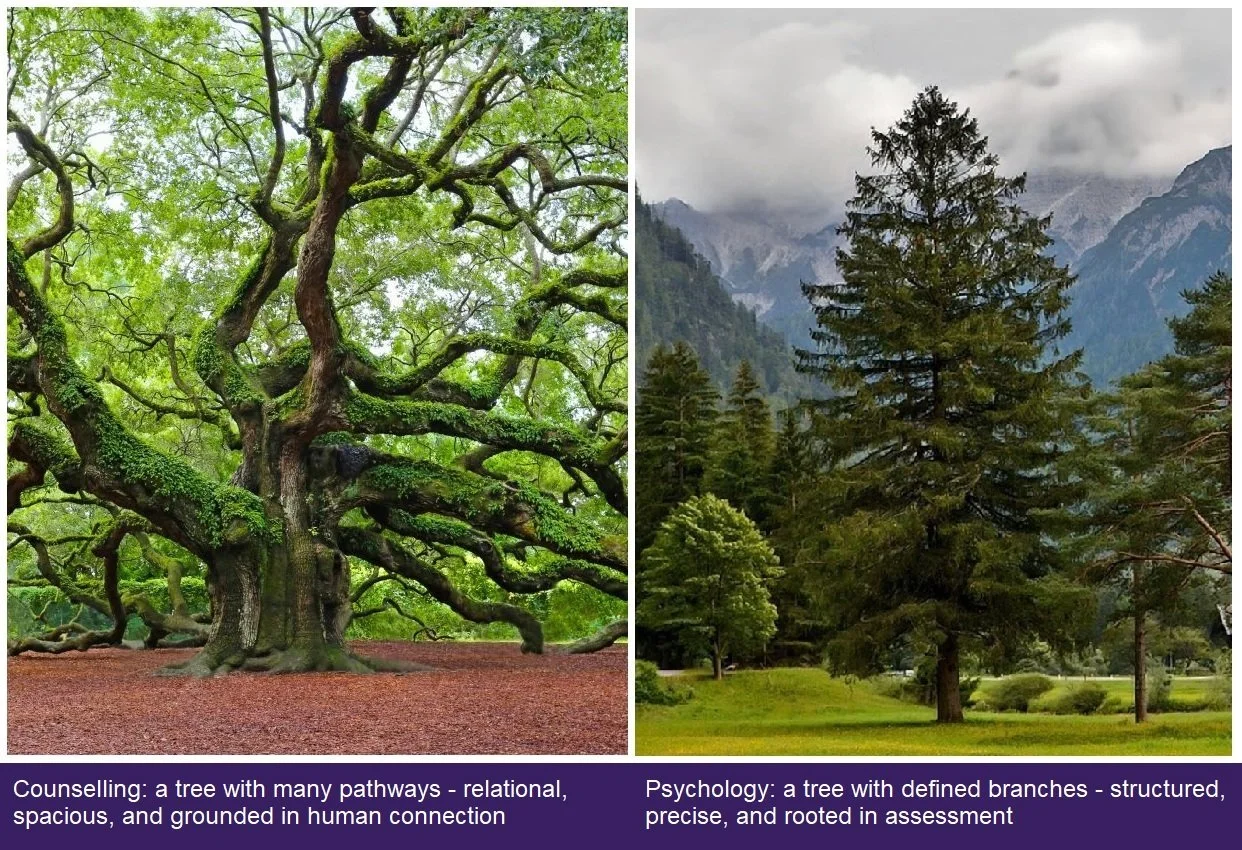
Most people seeking support assume counselling and psychology are just different branches of the same tree. But they’re actually two different trees growing in the same forest — both valuable, both needed, but offering very different kinds of shade.
Understanding the difference can help you choose the kind of support that feels right for you, your story, and the way you want to heal.
Two Trees, Two Ways of Healing
Counselling: The Tree Rooted in Relationship
Counselling begins with a simple idea: people heal through relationship. Not through labels. Not through diagnosis. Not through being told what’s “wrong.”
Counselling is about sitting with someone who listens deeply, helps you make sense of your experiences, and walks alongside you as you grow. It’s grounded in:
emotional safety
curiosity
presence
meaning making
real human connection
If counselling were a tree, its roots would be relationship, empathy, and understanding. Its branches would be the conversations that help you explore who you are, what you feel, and what you need.
Counselling is especially helpful when you’re navigating:
grief
relationship patterns
identity questions
stress and overwhelm
trauma
life transitions
self-worth
emotional stuckness
It’s a space to slow down, breathe, and be met as a whole human being — not a set of symptoms.
Psychology: The Tree Rooted in Science and Assessment
Psychology grows from a different root system. It’s built on:
assessment
diagnosis
research
evidence based protocols
structured treatment plans
Psychologists are trained to identify mental health conditions, understand how the brain and behaviour interact, and use specific interventions to treat diagnosable disorders.
If psychology were a tree, its roots would be science, measurement, and diagnosis. Its branches would be structured treatments designed to reduce symptoms and improve functioning.
Psychology is especially helpful when you’re dealing with:
anxiety disorders
depression
ADHD
OCD
PTSD
complex mental health conditions
Both professions are important - they simply grow in different directions.
So Which Tree Do You Need?
Think of it this way:
If you want a diagnosis, assessment, or structured treatment, psychology is often the right fit.
If you want a safe relationship to explore your story, emotions, patterns, and meaning, counselling may be the better path.
Some people work with both at different times in their lives. Some start with one and move to the other. There’s no wrong tree — just different kinds of support.
Why the Difference Matters
When you understand that counselling and psychology are not the same tree, you can choose the one that feels right for your season of life.
Counselling offers:
space
connection
reflection
emotional depth
a sense of being truly seen
Psychology offers:
clarity
diagnosis
structured treatment
symptom reduction
evidence based tools
Both trees offer shade. Both offer support. But the experience of sitting beneath them is different.

Choosing support is choosing a path — the right one is the one that feels like yours.
A Final Thought
You don’t need to know everything before reaching out. You just need to know what feels right for you.
If you’re longing for a space where you can talk, breathe, feel, and make sense of your story with someone who meets you as a human being — counselling may be the tree you choose to sit under for a while.
And that choice is valid, meaningful, and deeply human.